History
The history of the Samurai era is very complex and is written about extensively in many books. Why any of this should matter to students of martial arts is that there are so many martial arts one could train in, that it can be confusing to know which style is best suited for actual combat. Most martial arts that are popular today were developed over the past 150 years. The warrior traditions of the Japanese warriors, collectively known as the Bushi, developed over centuries and changed according to the advancements in weapons and armor technology.
The creation of warrior skills extends back beyond recorded history, probably before Homo Sapiens evolved. From the earliest times the history of Japan was marked by warfare, much of it originating in a clash of cultures between the Yayoi and the Jomon peoples. The resulting struggles happened as iron weapons were becoming widespread, and with the new weapons technology came increases in the development of warrior skills. The Yamato clan rose to the top and became the Imperial clan, but the unification of Japan under the Emperor took centuries to complete. Warrior skills were increasingly vital for the security of the provinces and eventually clans began to specialize in warrior skills. These clans evolved over centuries and eventually were known as Samurai.
When Buddhism was introduced in Japan, intense competition developed between the indigenous Shinto and Buddhism to gain the favor of the Imperial Court, which decided where tax money would go and which sect would receive land and power. This religious strife became physical and the temples and shrines actually kept small armies of armed monks to protect them. When the various warrior clans were often fighting between themselves for secular power and religious factions were fighting for religious power, the martial skills became even more elevated through the R & D of warfare. In this era the Yamabushi and Sohei warrior monks became a significant fighting force with their own martial techniques that have their own lineage but were heavily influenced by Samurai martial arts. Also, due to the small raid tactics often used by the warrior monks, their skills contributed to the development of the martial skills of Iga and Koga that would become known as ninjutsu.
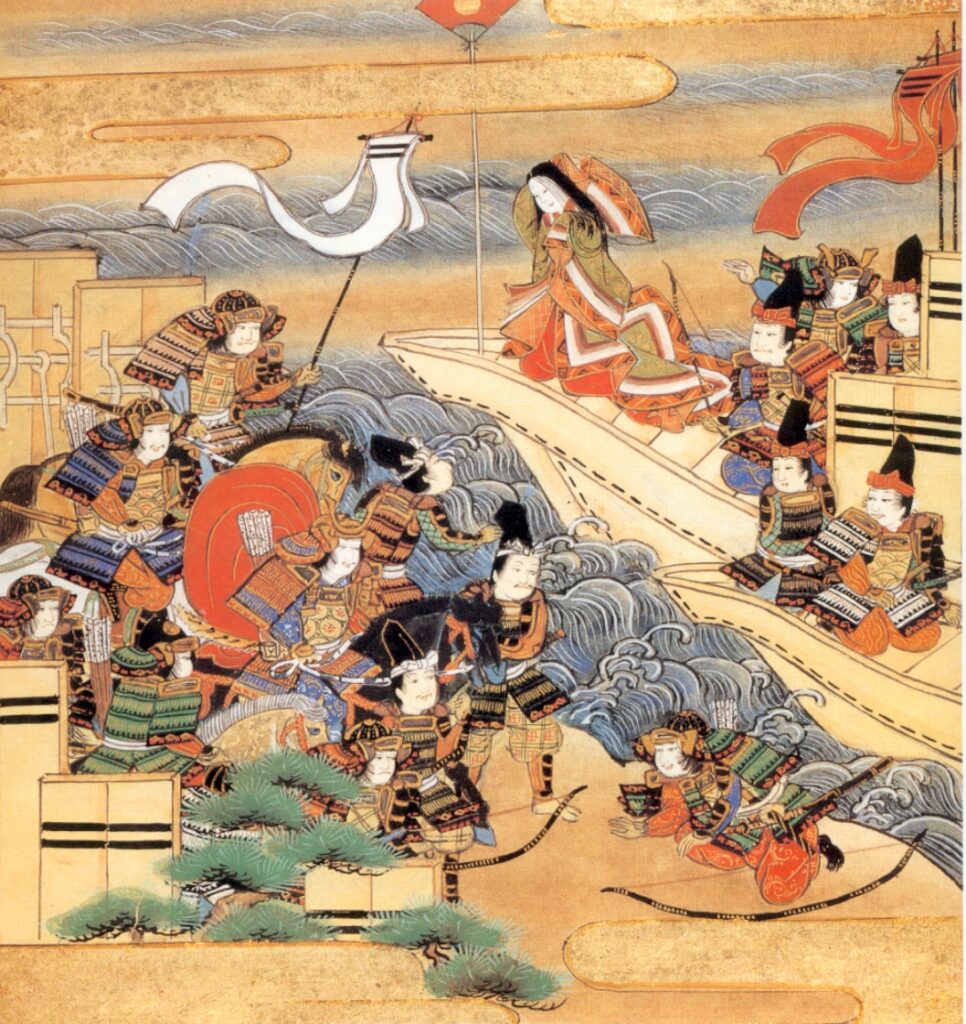
The Samurai leaders took control of running the whole country after the Genpei War through the office of the Shōgun. From the 12th through the 19th centuries the warrior culture of Japan was the strongest influence upon the whole nation. It was during this time that the martial arts of the samurai were refined to higher and higher levels based on the experience of these warriors in the many battles that they fought in.
The martial skills of the Bushi, including the Samurai, Ashigaru, Yamabushi, and the Ninja, developed over the centuries and burst into the era known as the Sengoku period (‘warring states period”) when battles seem to be happening nearly constantly in various parts of Japan. A Darwinian-style evolution took place during which inferior techniques and training methods died out and only the most practical and efficient methods survived the harsh realities of warfare. The Sengoku Period was marked by competing warlords and massive battles fought in an effort to conquer Japan. The situation was changed by the chance introduction of matchlocks guns, which some warlords implemented enthusiastically and had a dramatic influence upon how battles were fought. The matchlock did not replace all other weapons, but rather formed a new and distinct component of battles. The use of matchlocks are credited with helping unify Japan and bring an end to the age of constant warfare.
The competition between warlords finally left one warlord victorious and Tokugawa Ieyasu became the new Shōgun of Japan. He created a peaceful era that was much like a deafening silence after the chaotic Sengoku Period. For a century or two, warriors continued practicing and passing down their martial skills, but the peaceful era called the Edo period saw a new development. The Shōgun’s new capital Edo was a hotbed of samurai dueling. To minimize shedding blood and to prevent revenge killings from escalating into skirmishes that could ignite a new period of warfare, Samurai switched their focus to unarmed skills called Jūjutsu. These skills were designed to disarm attackers and subdue an opponent without relying upon the fatal use of swords and spears. This effort contributed to maintaining peace in Japan until the era of modernization brought an end of the age of Samurai rule in Japan.
The late 1800’s saw the Westernization of Japan. Guns replaced the sword, and while some former Samurai took up careers as soldiers, mostly this was a time of civilian recruited soldiers. It was also a time when civilians took up martial arts and created the watered-down Budō arts like Jūdō, Kendō, Aikidō, Iaidō, etc., and in this environment, the older more complex martial arts of the Bushi were overlooked in favor of sports. Many Samurai martial arts died out, and some of those that did survive were ones that were overly focused on single skills such as Iajutsu (sword drawing) which morphed into Iaidō, that is often practiced along with Kendō. Today there are old complete martial arts of the Bushi that survive, but they are hard to find even in Japan.
The modern government of Japan decided that fighting with swords and spears was outdated and therefore interest in Samurai martial arts waned. While in the modern era it is obvious that skills with spears are impractical on a day to day basis, that just means that such skills are usually emphasized at more advanced levels. However the unarmed skills and use of smaller weapons are very directly applicable to modern self-defense. In some ways the highly evolved skills of the Samurai are almost overqualified for use in self-defense, but for those who recognized the benefits of these skills, the arts are considered priceless treasures. It would be impossible to recreate the centuries long process of developing these arts through countless lives lost in the bloody struggles of Japan’s history, which is why the history is important. The history was the recipe for the development of these effective warrior arts.
The Kochō Dōjō is passing on the skills of the Samurai, Yamabushi, and Ninja through the Bujutsu arts that survived and are flourishing today as new generations of people seek to gain realistic skills to handle violent attacks as well as strengthen their spirit through walking the warrior’s path. The legacy of the Bushi continues to enrich the lives of modern practitioners.
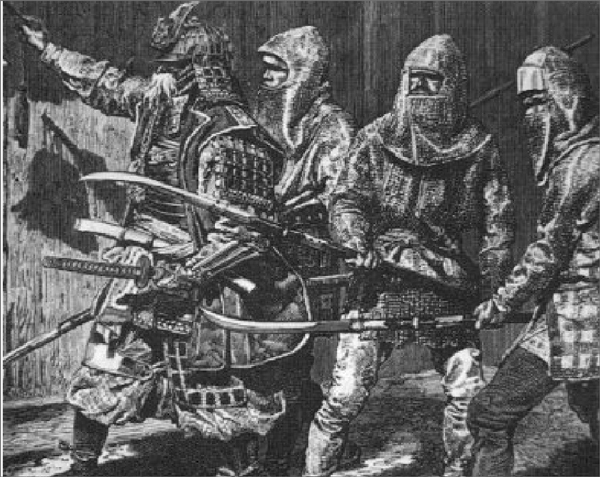
Samurai and Ashigaru search the darkness for Ninja intruders